Why Eggs Did Not Hatch
A structured way to review clear eggs, early deaths, late deaths, and hatch conditions.
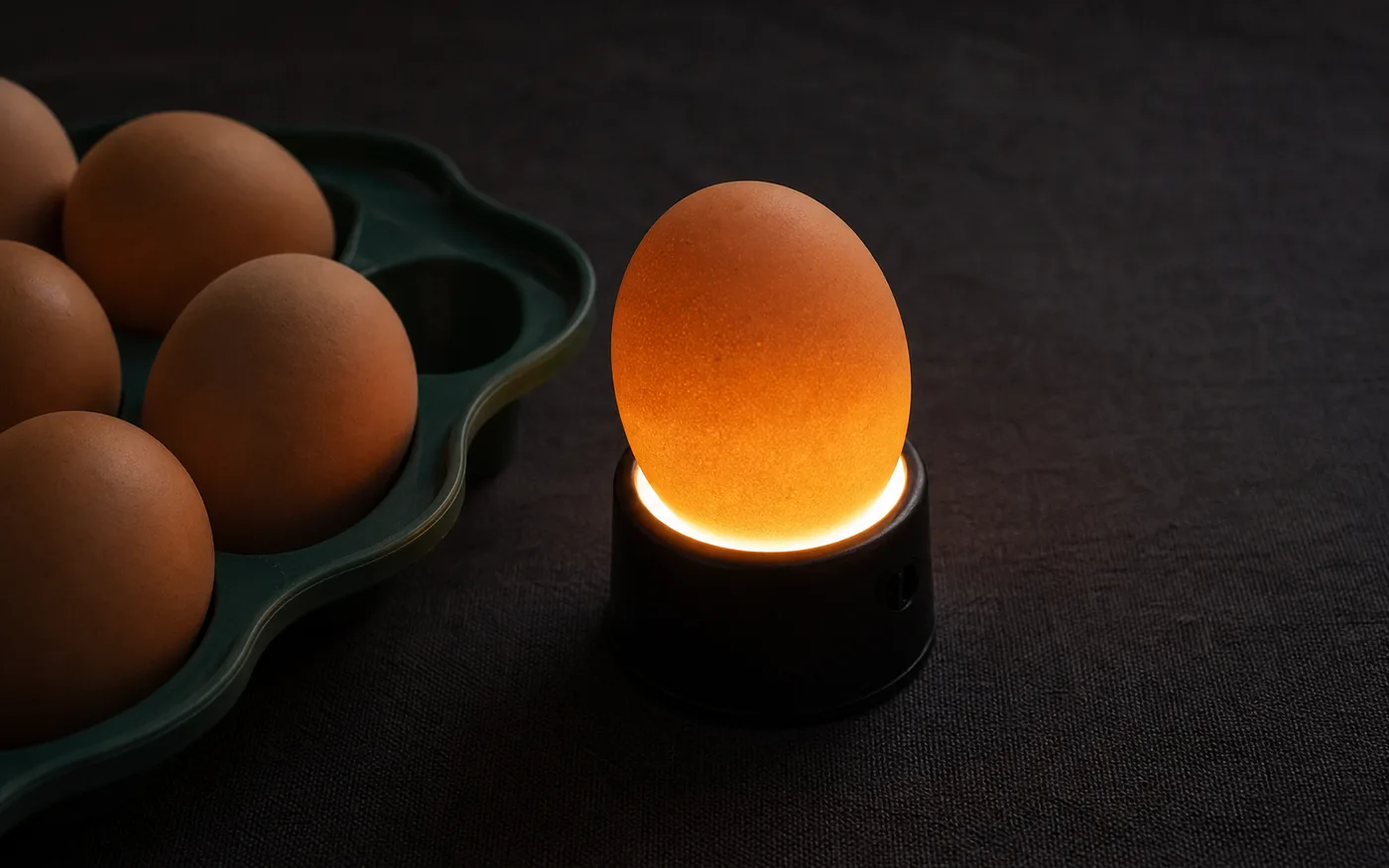
Show careful inspection before changing anything.
The review stage, when records turn a disappointing hatch into a better next setup.
Quick Answer
When eggs do not hatch, separate the problem into fertility, early development, late development, and hatch-window issues. The pattern matters more than blame: clear eggs point one direction, late dead embryos point another, and weak chicks point to a different review.
This page is practical hatch guidance, not a veterinary diagnosis. It is checked against the sources listed below and should be adjusted to your incubator manual, species, and local conditions.
Hatch-window path
Keep the focus on stable conditions and careful timing during the highest-risk stage.
- 1 Stop turning
- 2 Raise humidity
- 3 Wait
- 4 Review
What matters most
- Count clear eggs separately from developed eggs that died.
- Compare timing: early loss, late loss, pip problems, or weak hatch.
- Review temperature, humidity, turning, ventilation, egg source, and storage.
- Change one or two things next time instead of everything at once.
Start with categories, not guesses
A failed hatch can have several causes at once. Group the result first: infertile or clear eggs, blood rings and early deaths, late embryo deaths, pipped eggs that did not finish, and chicks that hatch weak.
Use the hatch timeline
Early problems often point toward fertility, storage, handling, contamination, or early temperature stress. Late problems often push the review toward moisture loss, turning, ventilation, lockdown humidity, or hatch timing.
Turn the result into a next test
The best next hatch is a controlled improvement. Verify instruments, record set date and candling notes, and make one clear adjustment so you can tell whether it helped.