Pipped Egg Not Hatching
What a pip means, normal waiting windows, and when conditions may be wrong.
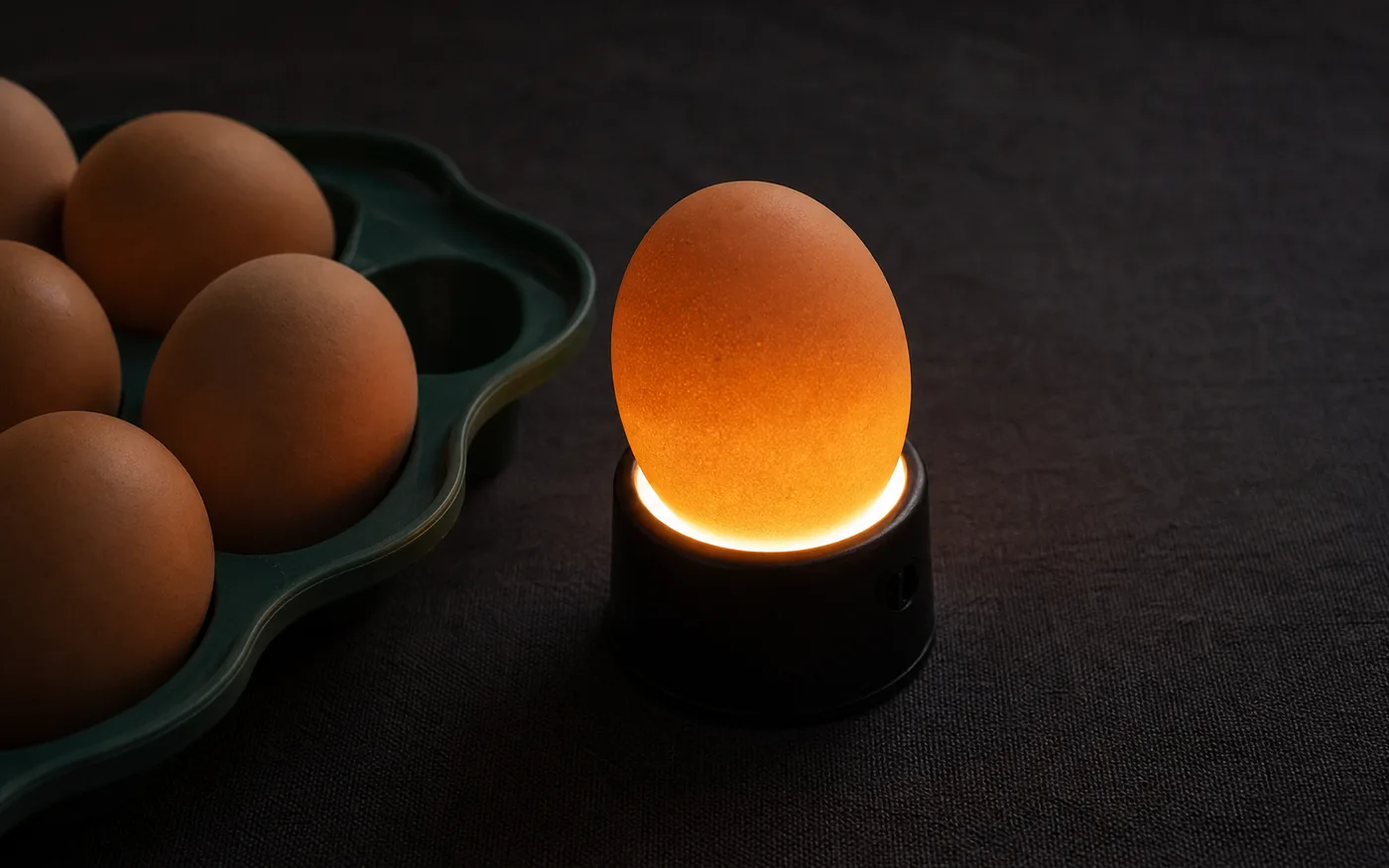
Show observation through the shell without graphic detail.
The tense waiting stage, when impatience can become the biggest risk.
Quick Answer
A pipped egg does not always hatch immediately. Many chicks rest after the first pip before zipping, so the first job is to keep conditions stable and watch for the overall pattern.
This page is practical hatch guidance, not a veterinary diagnosis. It is checked against the sources listed below and should be adjusted to your incubator manual, species, and local conditions.
Observation path
Use what the user can see through the shell to guide the next decision.
- 1 Look
- 2 Compare
- 3 Decide
- 4 Record
What matters most
- A pip is the start of hatch, not the finish.
- Avoid opening the incubator repeatedly.
- Watch humidity and the number of eggs affected.
- Use timing and symptoms before deciding what to do.
The first pip often starts a long pause
After pipping, a chick may rest while it adjusts from internal breathing to outside air. That pause can feel alarming, but not every slow pip is an emergency.
Look for patterns, not one anxious moment
One chick waiting is different from many pipped eggs drying out, all zips stopping, or hatch day passing with widespread distress. The pattern tells a better story than the clock alone.
Keep lockdown stable
Repeated opening can drop humidity and make hatching harder. If you are not sure what to do, preserve stable conditions first and record what you see.