Blood Ring In Egg
What a blood ring usually means and how to avoid confusing it with normal veins.
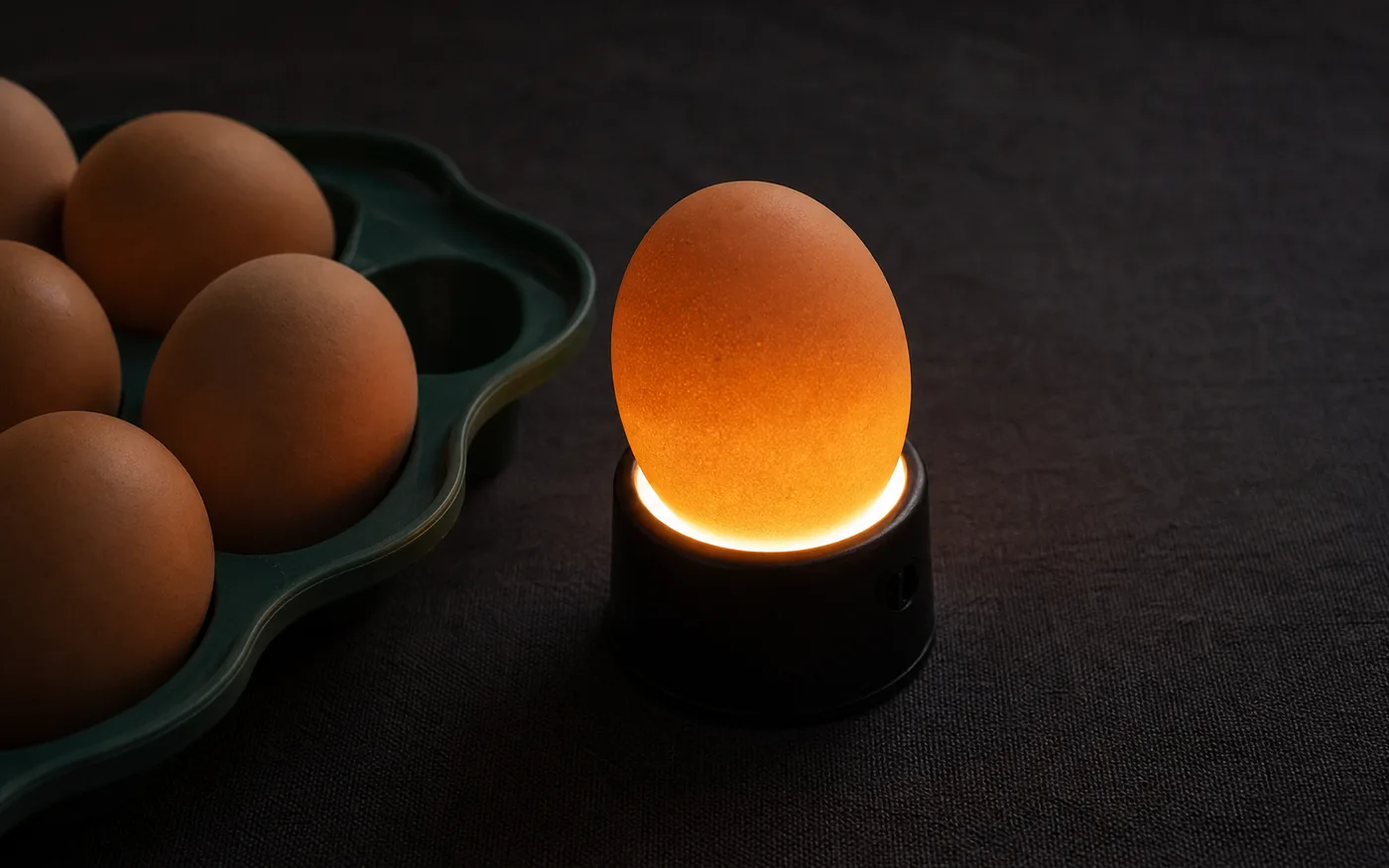
Show observation through the shell without graphic detail.
The first candling has raised a question: is this life, loss, or uncertainty?
Quick Answer
A blood ring usually means early embryo death, but beginners should confirm with a careful second look because normal early veins can be mistaken for trouble.
This page is practical hatch guidance, not a veterinary diagnosis. It is checked against the sources listed below and should be adjusted to your incubator manual, species, and local conditions.
Observation path
Use what the user can see through the shell to guide the next decision.
- 1 Look
- 2 Compare
- 3 Decide
- 4 Record
What matters most
- Do not confuse normal veins with a blood ring.
- Confirm questionable eggs before removing them.
- Review storage, handling, fertility, and early temperature stability.
- Remove clearly bad eggs safely and cleanly.
A ring is different from branching veins
Healthy early development usually shows branching blood vessels. A blood ring is more like a circular line where an embryo started and then stopped developing.
Uncertainty is normal for beginners
Dark shells, weak lights, and early timing can make candling hard. If an egg does not smell, leak, or show obvious failure, mark it and check again rather than making a rushed call.
Use the pattern to improve the next hatch
Several blood rings can point toward rough handling, poor storage, shipping stress, fertility issues, contamination, or unstable early incubation conditions.