Incubator Temperature Spike
What to do after a temperature spike and how to judge risk without guessing.
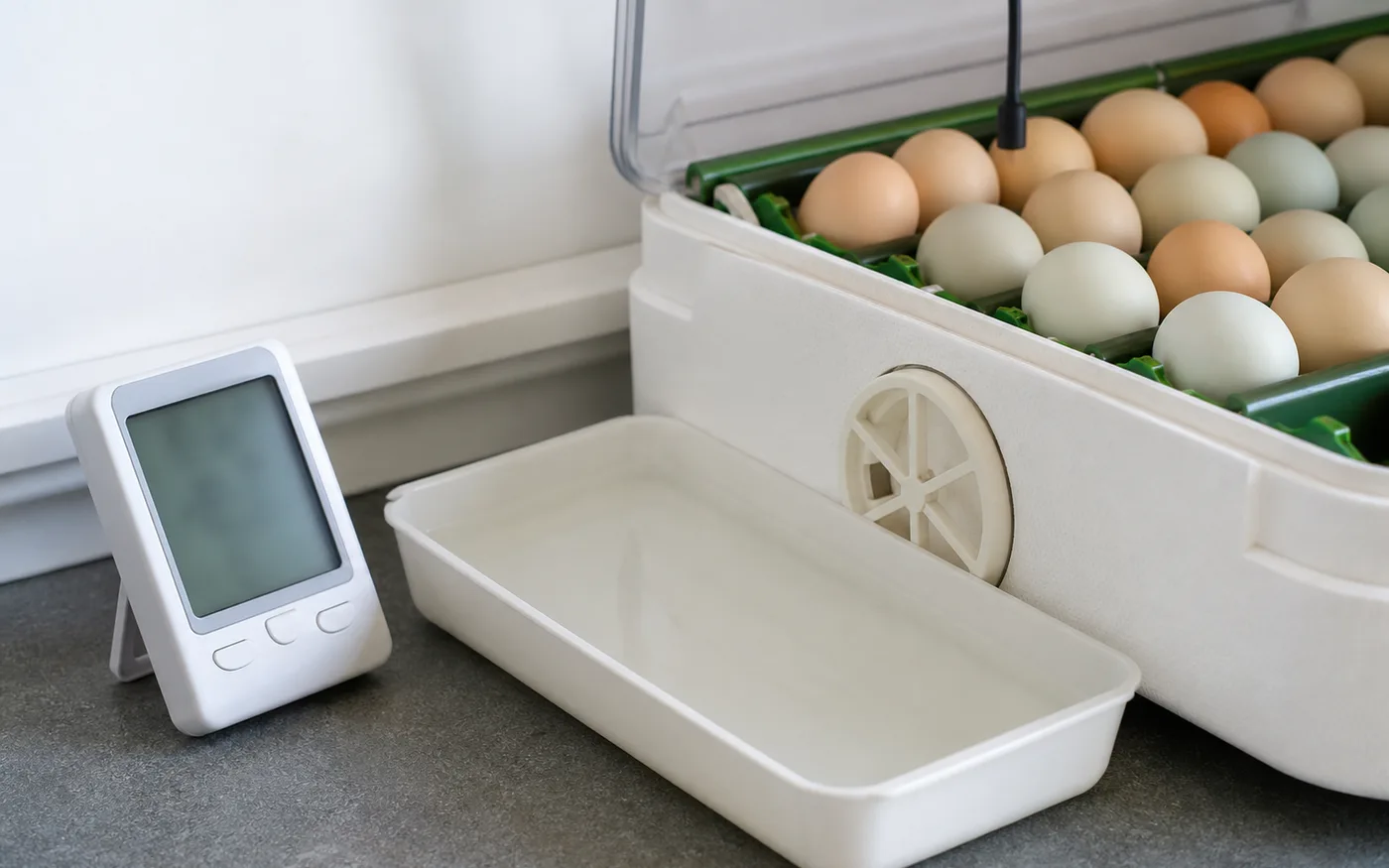
Show trusted measuring instead of guessing.
The thermometer showed a number you did not want to see, and now the question is what damage, if any, was done.
Quick Answer
After a temperature spike, bring the incubator back to target range, record how high and how long it ran, and watch the hatch pattern. Short, small spikes are different from sustained overheating.
This page is practical hatch guidance, not a veterinary diagnosis. It is checked against the sources listed below and should be adjusted to your incubator manual, species, and local conditions.
Problem-solving path
Move from symptom to evidence before making changes.
- 1 Notice
- 2 Check
- 3 Cause
- 4 Fix
What matters most
- Correct the incubator gradually and avoid repeated overshooting.
- Write down peak temperature and estimated duration.
- Check whether the reading came from a calibrated thermometer.
- Use candling and hatch timing to monitor the batch afterward.
First stabilize the machine
Move the incubator away from sun, drafts, heaters, or vents if needed, then return it to the normal target range. Do not chase the number so aggressively that the incubator swings too cold afterward.
Duration changes the risk
A brief spike seen on one thermometer is not the same as hours of overheating throughout the egg mass. Record the highest reading, how long it likely lasted, and whether eggs or only air temperature were affected.
Use the result to improve the next setup
If spikes repeat, test the incubator empty, check thermostat behavior, verify thermometer placement, and consider room temperature stability before setting more valuable eggs.